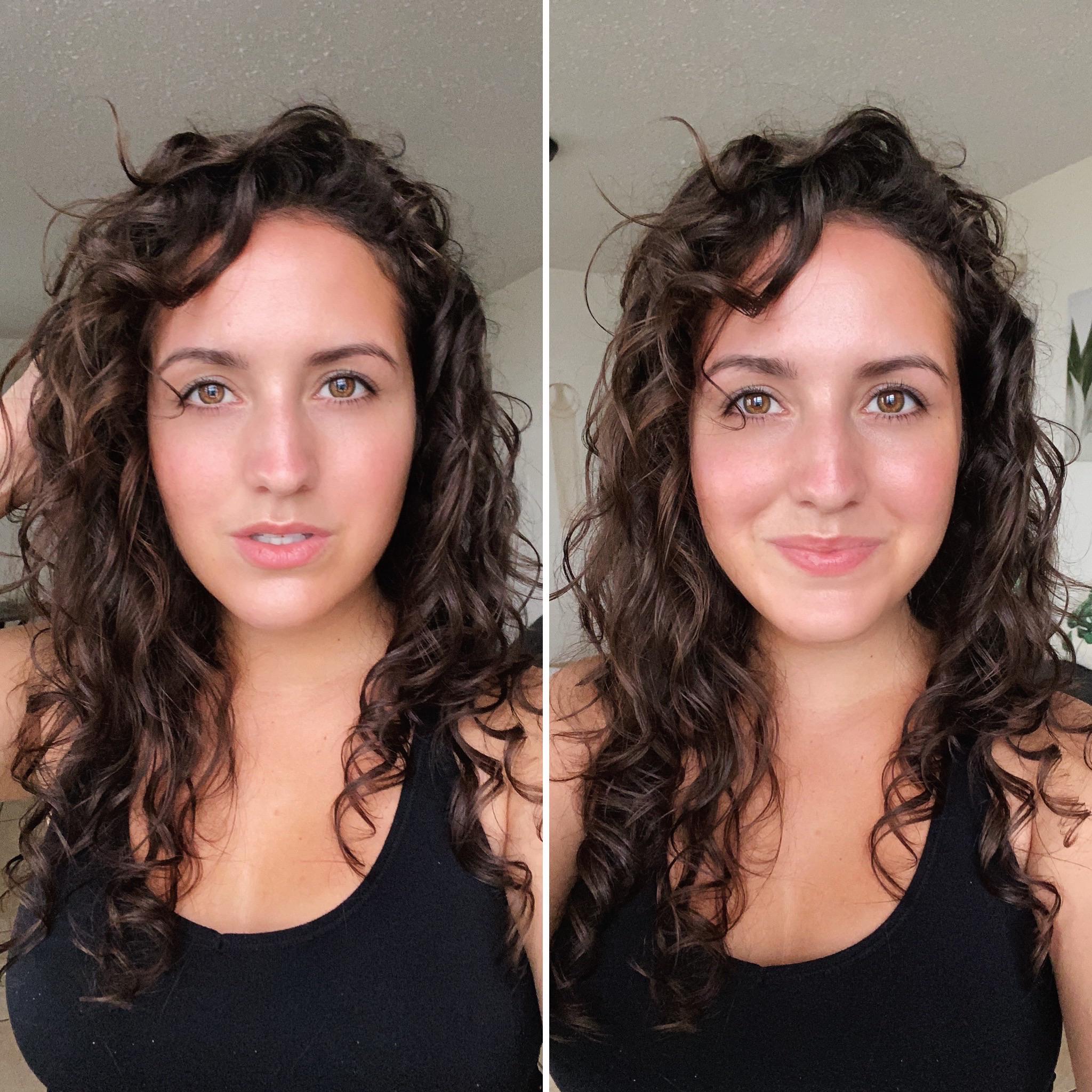
Recently, I caught up with a close friend who relocated to the high-altitude, low-humidity environment of Denver, Colorado. While she loves the mountains and the lifestyle, our conversation quickly turned to her biggest frustration: the sudden and dramatic change in the texture of her hair.
Her once bouncy, hydrated ringlets had turned brittle, undefined, and unmanageable. “It feels like straw,” she lamented. This is a common narrative for those with textured hair living in, or moving to, arid environments. Whether you are in the deserts of Arizona, the dry cold of a Canadian winter, or the high plains of Colorado, managing curly hair presents a unique set of challenges when moisture is scarce.
Curly hair is naturally drier than straight hair because the natural oils produced by the scalp (sebum) have a difficult time traveling down the spiral shaft of the hair strand. When you introduce an environment with extremely low dew points and virtually zero humidity, the atmosphere essentially acts as a vacuum, sucking whatever precious moisture remains inside your hair cortex out into the air.
However, living in a dry climate doesn’t mean you are sentenced to a lifetime of frizz and breakage. After diving deep into the science of dew points, porosity, and product formulation, I have compiled an extensive, comprehensive guide to keeping your curls juicy, defined, and healthy—even when the air is bone dry.
1. The Science of Hydration: Why “Moisture” Isn’t Enough
Before we look at products, we must understand the mechanics of hydration. In dry climates, the dew point (the temperature at which air becomes saturated with water vapor) is often very low. When the dew point drops below 35°F (1°C), the air is incredibly thirsty. If your hair contains water, the dry air will pull it out through a process of osmosis.
This is why simply adding water isn’t enough; you have to lock it in. Your goal in a dry climate is twofold: maximize moisture injection during your wash day, and create an impenetrable barrier to stop the environment from stealing that moisture.
2. Deep Conditioning: The Non-Negotiable Foundation
In humid climates, you might get away with a quick rinse-out conditioner. In a dry climate, deep conditioning treatments transition from a “luxury” to a “survival necessity.” Because the environment is constantly depleting your hydration levels, you must aggressively replenish them.
The Ingredients Matter
Not all conditioners are created equal. You need to look for formulations rich in emollients and fatty alcohols. Look for ingredients like cetyl alcohol, stearyl alcohol, shea butter, and avocado oil. These ingredients soften the hair and provide the “slip” needed to detangle without breakage.
I highly recommend integrating a rich, restorative treatment like DevaCurl’s Heaven in Hair or similar high-intensity moisture masks. These heavy-duty formulas penetrate the hair shaft rather than just sitting on top.
The “Squish to Condish” Method
Technique is just as important as the product. When applying your conditioner:
- Apply it to soaking wet hair.
- Cup your hands with water and “squish” the conditioner into your curls upwards toward the scalp.
- This pulsing motion forces water and conditioner into the cuticle, hydrating the hair from the inside out.
Pro Tip: Use heat. In dry climates, low-porosity hair often struggles to absorb moisture. Put on a shower cap over your deep conditioner and sit under a hooded dryer or wrap a warm towel around your head for 30 minutes. The heat opens the cuticle, allowing the moisture to penetrate deeply before you seal it in.
3. The Glycerin Trap: Understanding Humectants
This is perhaps the most technical but crucial tip for dry climate curlies. Many curly hair products contain glycerin, a powerful humectant. Humectants are ingredients that attract water. In humid weather, glycerin pulls moisture from the air into your hair. This is usually good.
However, in a dry climate where there is no moisture in the air, glycerin will do the opposite: it will pull the moisture from the inside of your hair out toward the dry air in an attempt to balance the atmosphere. This results in flash-drying and instant frizz.
The Solution: Check your ingredient labels. In very dry weather, avoid products where glycerin is in the top 5 ingredients. Instead, look for “film-forming humectants” like flaxseed, aloe vera, marshmallow root, or pectin. These form a clear, flexible film over the hair that holds moisture in without reacting as volatilely to the weather.
4. Environmental Control: Humidifiers are Your Best Friend
We often focus on what we put on our hair, but we should also control the environment our hair lives in. We spend roughly 8 hours a day sleeping; that is one-third of your life spent in your bedroom. If the air in your bedroom is arid, your hair is losing moisture all night long.
While curly girls in Florida fight humidity, those in dry climates should embrace it artificially. Investing in a high-quality humidifier is a game-changer.
- Health Benefits: Beyond hair, humidifiers soothe dry nasal passages, prevent nosebleeds, and keep skin plump and hydrated.
- Hair Benefits: By maintaining a relative humidity of 40-50% in your bedroom, you prevent the overnight evaporation of moisture from your curls. You will wake up with softer, more pliable hair that requires less refreshing in the morning.
Cool mist humidifiers are generally preferred for safety and energy efficiency, but warm mist can be comforting in winter. Whichever you choose, keep it clean to prevent mold spores, which are detrimental to both health and hair.
5. Sealing the Deal: The Power of Oils and the LOC Method
Hydration is water; moisture is oil. You need both. Once you have washed and conditioned your hair, you must create a seal. If you skip this step in a dry climate, the water you just put into your hair will evaporate within an hour.
The LOC/LCO Method
This acronym stands for Liquid (or Leave-in), Oil, and Cream. It represents the order in which you apply your products to maximize retention.
- Liquid/Leave-in: Apply a water-based leave-in conditioner to wet hair. This provides the base hydration.
- Oil: This is the critical step for dry climates. Apply a thin layer of oil to lock the water in.
- Penetrating Oils: Coconut, Olive, and Avocado oils can penetrate the hair shaft and moisturize from within.
- Sealing Oils: Jojoba, Argan, and Grapeseed oils sit on top of the hair, creating a barrier that prevents water loss. Argan oil is particularly fantastic for adding shine without weighing down fine curls.
- Cream: Finish with a styling cream or butter to define the curl pattern and provide hold.
By sandwiching the oil between the liquid and the cream (or using it as the final step), you create a physical barrier that dry air cannot easily penetrate.
6. Rethinking Your Wash Routine: Slow Down on the Shampoo
We have been conditioned by society to believe that we need to shampoo daily to be “clean.” For curly hair in dry climates, this practice is damaging. Shampoo—specifically those containing sulfates (like sodium lauryl sulfate)—strips the hair of its natural sebum.
In a dry climate, your scalp is likely producing less oil, or the oil isn’t traveling down the hair shaft. If you strip away that natural protection with harsh detergents, you leave the cuticle exposed and vulnerable.
The “Low-Poo” Approach
- Frequency: Try to extend your wash days. Washing once or twice a week is usually sufficient for dry hair types.
- Co-Washing: Consider “conditioner washing” mid-week if you need to refresh. This involves using a cleansing conditioner that cleans the scalp gently without stripping oils.
- Pre-Pooing: Before you do use shampoo, apply an oil treatment (like olive oil) to your dry hair and let it sit for 20 minutes. This protects the hair strands from the harsh surfactants of the shampoo, ensuring you get clean without getting “squeaky” clean (which actually means stripped).
7. Volumizing Without Frizz
One of the sad side effects of dry hair is that it can become limp. Without the plumpness of water inside the hair shaft, curls can look flat and lifeless. Furthermore, the heavy creams and oils needed to combat dryness can weigh hair down.
How do we get volume without inviting frizz? It’s all about the drying process.
Diffusing with Care
Air drying in a dry climate can sometimes take too long if you have low porosity hair, or it can happen too fast, causing flash drying. Using a diffuser attachment on your hairdryer is the best middle ground.
- Low Heat, Low Speed: Never use high heat. It will boil the water inside the hair shaft (bubble hair) leading to permanent damage.
- Root Clipping: While the hair is wet, use small metal clips to lift the roots off the scalp. Let the hair dry in this position. When you remove the clips, you will have instant lift at the crown.
- Fluffing: Once the hair is 100% dry—and not a moment before!—flip your head upside down and massage the roots with your fingertips. You can put a little oil on your fingertips to prevent friction. Shake the roots to create volume, but do not touch the lengths of the curls, or you will break the cast and cause frizz.
8. Nighttime Protection and Refreshing
Your routine doesn’t end when your hair is dry. How you sleep determines how your hair looks the next day.
The Pineapple: Gather your hair loosely at the very top of your head and secure it with a silk scrunchie. This protects the curl pattern while you sleep.
Satin and Silk: Cotton pillowcases act like a towel; they are absorbent. They will suck moisture out of your hair while you sleep. Switch to a satin or silk pillowcase. The smooth surface reduces friction (less frizz) and is non-absorbent (more moisture retention).
Refreshing in the Morning
In humid climates, curls might “grow” overnight. In dry climates, they get crushed. To refresh, avoid spraying pure water on your hair, as this can cause frizz when it evaporates quickly. Instead, mix water with a little bit of leave-in conditioner in a spray bottle (often called “milk”). Mist this over the hair to reactivate the product that is already there, then smooth any flyaways with glazed hands.
9. Internal Hydration and Diet
Finally, we cannot ignore the internal factor. Your hair is a dead fiber, but the follicle that produces it is very much alive. If your body is dehydrated, it will prioritize vital organs over hair production.
In dry climates (especially at high altitudes like Denver), you lose water through respiration faster than at sea level. You must drink significantly more water to maintain baseline hydration. Incorporating Omega-3 fatty acids (found in salmon, walnuts, and flaxseeds) into your diet can also help support a healthy scalp and lubricate the hair from the inside out.
Embrace Your Environment
Living in a dry climate poses challenges, but it also has benefits—your straightened styles last longer, and you rarely have to worry about humidity-induced poofiness! By adjusting your routine to focus on heavy conditioning, sealing with oils, avoiding glycerin, and protecting your hair at night, you can have luscious, defined, and healthy curls anywhere in the world.
Do you live in a dry climate? What are your Holy Grail products for keeping moisture locked in?